
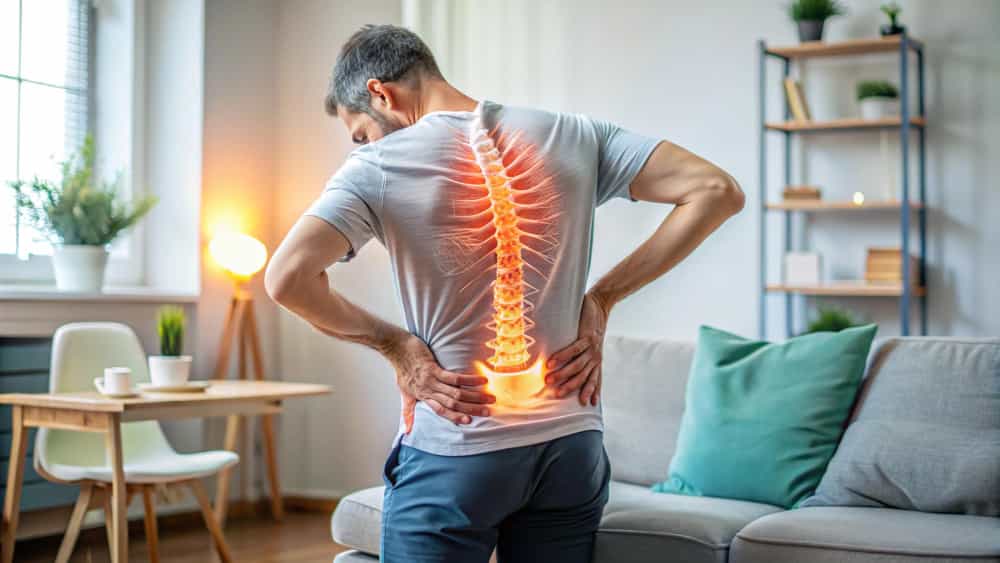
Back Pain: Everyday Habits That May Be Affecting Your Spine
Back pain is one of the common health concerns among people of different age groups. From working professionals who spend hours at a desk to individuals who perform demanding tasks everyday routines can influence spinal health. Poor posture, sitting, incorrect lifting techniques and a lack of physical activity may contribute to back discomfort over time. Although occasional back pain may improve with measures, persistent or severe pain should not be ignored. Understanding these habits is an important step towards protecting your spine and maintaining a healthy lifestyle.
Everyday Habits That Can Contribute to Back Pain
The way we sit, stand, sleep and move throughout the day can affect our back. Sitting for periods without changing position slouching while using a computer and frequently looking down at a mobile phone can increase strain on the neck and back. Similarly lifting objects by bending at the waist twisting suddenly or carrying uneven loads may place additional stress on the spine.
A sedentary lifestyle can also affect the muscles that support the spine. When physical activity is limited, these muscles may become less conditioned potentially contributing to discomfort and reduced mobility. Inadequate sleep and supported sleeping positions may also aggravate existing symptoms in some individuals. Making changes, such as taking regular movement breaks adjusting workstation height maintaining comfortable posture and practising appropriate exercises can help support spinal health.
Simple Ways to Protect Your Spine and Reduce Back Strain
Maintaining spinal health starts with everyday habits. If your work involves sitting for periods take short movement breaks and change your position regularly. Keep your screen at a viewing height support your lower back while sitting and avoid remaining in one position for too long. When lifting objects keep the load close to your body bend your hips and knees and avoid twisting your back while carrying the weight.
Regular physical activity, including walking and suitable strengthening exercises can help maintain mobility and support the muscles around the spine. Choose exercises according to your fitness level. Seek professional guidance if you already experience back pain. Maintaining a body weight and getting adequate rest may also help reduce unnecessary strain. However, these measures are not a substitute for assessment when pain persists, worsens or interferes with everyday activities.
When Should You Consult an Orthopedic Specialist?
Not all back pain has the cause. It may be associated with muscle strain, spinal disc problems, age-related changes or other medical conditions. If back pain continues for weeks repeatedly returns or limits your ability to work, walk or perform routine activities consulting a healthcare professional can help identify the underlying cause and determine appropriate treatment.
Seek medical attention if back pain occurs with new or worsening leg weakness numbness around the groin or saddle area or difficulty controlling your bladder or bowel. Severe pain following an accident or fall also requires assessment. Early evaluation can help guide care and prevent potentially serious symptoms from being overlooked.
At PK Das Hospital the Orthopedic Department focuses on the assessment and management of bone, musculoskeletal concerns. If back pain is affecting your life consult a qualified orthopedic specialist for appropriate evaluation and treatment guidance. Taking care of your spine today can help you maintain mobility, comfort and an active lifestyle, in the run.