
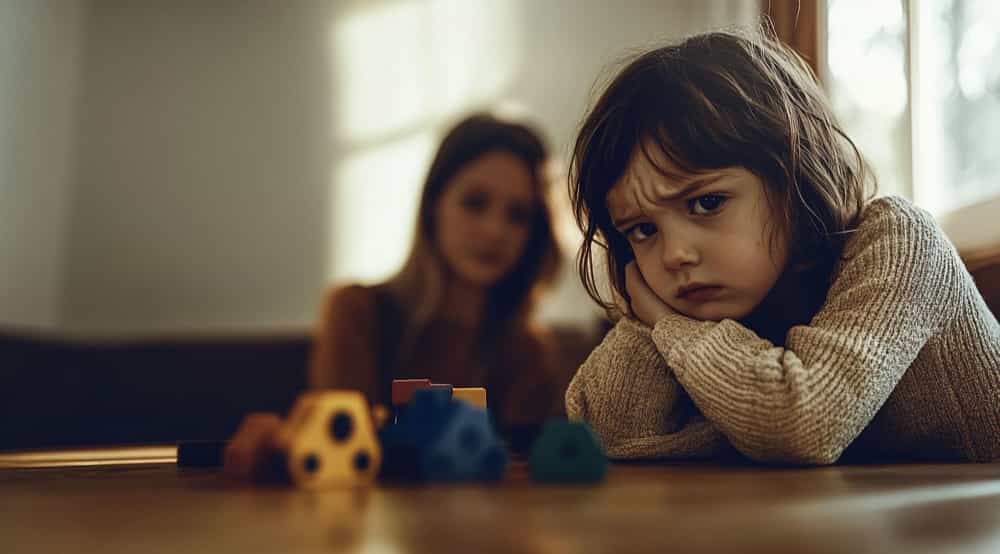
Why Does My Child Do That? Understanding Unusual Childhood Behaviours
Children often grow up with habits and behaviours that can appear strange, repetitive or confusing to parents. For example, biting nails sucking thumb talking to oneself clinging to an object or repeating the same movement can make parents wonder why the child behaves this way. Times these habits belong to normal childhood development or help the child express emotions, curiosity or find comfort. Knowing why the child acts in such a way is usually more useful than trying to stop it.
Why Do Children Develop Habits?
Children may show feelings in ways that differ from adults because, the child is still learning how to spot and share feelings. Stress, anxiety, boredom, excitement, tiredness or changes around the child can sometimes affect the child’s behaviour. For example, the child may bite nails when feeling nervous or keep asking the question because the child wants reassurance. Some children may also develop habits such as hair twirling, skin picking, rocking, thumb sucking or constantly arranging objects. These actions can sometimes give the child comfort. Help the child handle emotions. Imaginary friends and talking to oneself can also happen during childhood as part of imagination and social growth. However, every child is different. A habit that is harmless for one child may have a reason for another child. Parents should therefore not assume immediately that an unusual habit means something is wrong.
When Should Parents Be Concerned?
The key question is not always whether the habit looks odd but whether it is impacting the child’s life. Parents may need to watch closely if the habit gets very frequent is hard for the child to control hurts the child physically or starts to disturb sleep, school, relationships or normal activities. Sudden changes in the child’s habit can also deserve attention especially when they happen together with changes in the child’s mood, sleep, appetite, speaking, social contact or school work. Habits such, as constant hair pulling, eating things that're not food, severe aggression, extreme withdrawal or repetitive actions that greatly disturb daily life may need a professional check. Of scolding or making the child feel embarrassed parents can try to learn what happens before and after the habit. Giving a setting keeping regular routines and encouraging the child to talk about feelings can help.
Understanding Children Through the Right Support
At PK Das Hospital the Psychiatry Department sees the value of looking at the child’s behaviour in the light of the child’s emotions, thoughts and growth. A professional check can help parents learn whether a specific habit is a phase of growth or whether it needs more help. Parents do not have to panic every time the child shows a habit. A habit that keeps going or causes worry should not be ignored. Early attention can help find hidden behavioural problems and give the right support when needed. The first step is usually simple: watch the child without judging listen to the child without scaring the child and ask a professional for help when worries stay. Knowing why the child acts can help parents answer with calm, reassurance and the proper help.