
Why Preventive Health Check-Ups Are an Important Part of Healthy Living
Maintaining good health is not only about seeking medical attention when something feels wrong. Taking care of your health also means being aware of possible risks and taking steps to identify health concerns before they become serious. Preventive health check-ups are an important part of this approach because they help individuals monitor their overall health and identify potential problems at an early stage. Even when a person feels completely healthy, regular health assessments can provide valuable information about their body and help them make informed decisions about their lifestyle.
At PK Das Institute of Medical Sciences- Top hospitals in Palakkad, preventive healthcare is an important part of supporting long-term well-being. Regular medical evaluations, appropriate screening, and timely consultation can help individuals understand their health status and take suitable steps to maintain it.
What Is a Preventive Health Check-Up?
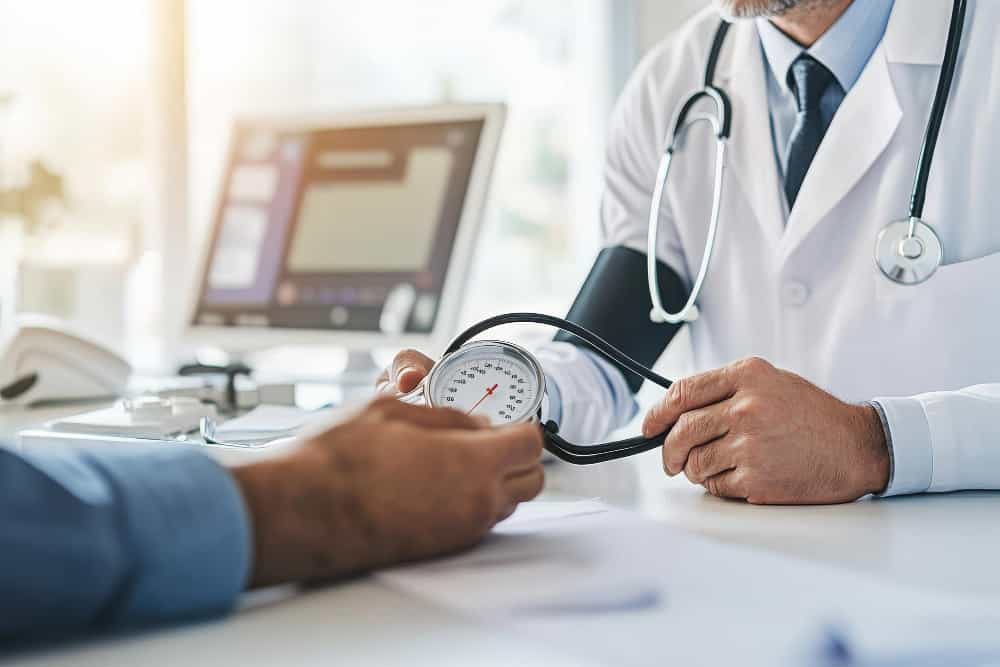
A preventive health check-up is a medical assessment carried out to evaluate a person's general health and identify potential health risks before noticeable symptoms develop. Depending on factors such as age, gender, family history, lifestyle, and existing health risks, a check-up may include physical examination, blood pressure measurement, blood sugar testing, cholesterol testing, blood tests, and other recommended investigations.
Preventive check-ups are not necessarily the same for everyone. A young adult may require different assessments compared with an older adult, while someone with a family history of diabetes, heart disease, or other conditions may require additional monitoring. A doctor can recommend suitable tests based on an individual's health profile.
Several health conditions can develop silently for a considerable period. High blood pressure, elevated cholesterol, diabetes, and some other chronic conditions may not produce obvious warning signs during their early stages. Without regular health monitoring, individuals may remain unaware of these changes. Preventive screening can help identify certain abnormalities at an earlier stage, allowing healthcare professionals to evaluate them and recommend appropriate next steps. Early identification does not necessarily mean that a person has a serious disease, but it provides an opportunity for timely medical assessment and better health management.
For example, identifying elevated blood sugar may encourage a person to make necessary dietary and lifestyle changes and seek medical guidance. Similarly, detecting high blood pressure during a routine check-up can prompt further evaluation and monitoring.
Regular Check-Ups Can Help You Understand Your Health
A health check-up provides more than a list of test results. It can help individuals develop a clearer understanding of their overall health. Doctors can assess factors such as weight, blood pressure, blood sugar, cholesterol, lifestyle habits, physical activity, nutrition, and other relevant health indicators.
This information can help people recognise areas that may require attention. Someone who discovers that their cholesterol or blood pressure is higher than recommended, for instance, may be advised to improve their diet, increase physical activity, manage stress, or undergo further evaluation. Regular monitoring also makes it easier to observe changes over time. Comparing health indicators from previous check-ups can help doctors understand whether a particular risk factor is improving, remaining stable, or requiring additional attention.
Preventive Healthcare and Healthy Lifestyle Choices
Healthy living involves several everyday choices, including eating a balanced diet, staying physically active, getting adequate sleep, maintaining a healthy weight, managing stress, and avoiding tobacco and excessive alcohol consumption. Preventive health check-ups complement these habits by providing an opportunity to assess whether lifestyle choices are supporting overall health.
A medical check-up can also be an opportunity to discuss concerns that people may otherwise overlook. Changes in sleep, unexplained fatigue, digestive problems, changes in weight, recurring discomfort, or other concerns can be discussed with a healthcare professional. Even if a symptom appears minor, professional guidance can help determine whether further evaluation is appropriate.
Health Check-Ups at Different Stages of Life
The need for preventive healthcare can change throughout life. Young adults may benefit from establishing a baseline of their general health and developing healthy habits early. Adults may need regular monitoring of factors such as blood pressure, blood sugar, cholesterol, and weight, particularly when lifestyle or family history increases their risk. As people grow older, the importance of age-appropriate screening and regular medical evaluation generally increases. Older adults may require closer monitoring of chronic conditions and other age-related health concerns. Preventive care can therefore be adapted according to individual needs rather than following a single approach for everyone.
Who Should Prioritise Preventive Check-Ups?
While regular health assessments can benefit most adults, they can be particularly important for people with certain risk factors. Individuals with a family history of chronic diseases, people who are overweight or physically inactive, those with unhealthy lifestyle habits, and individuals who have previously been diagnosed with health conditions may need closer monitoring. People who experience persistent or unusual symptoms should also not rely solely on routine preventive check-ups. Symptoms that concern you should be discussed with a qualified healthcare professional, even if your previous health check-up was normal.
At PK Das Institute of Medical Sciences- - Top hospitals in Palakkad, healthcare professionals can guide patients regarding appropriate evaluations based on their individual health needs, medical history, and risk factors.
Make Preventive Healthcare Part of Your Routine
A preventive health check-up should not be viewed as something to do only when a health problem is suspected. Making routine health assessments part of your healthcare routine can help you stay informed about your health and encourage timely medical attention when necessary.
Good health is built through consistent care, not just occasional treatment. A balanced lifestyle, regular physical activity, nutritious food, adequate rest, and appropriate medical check-ups can all contribute to better long-term health. Taking time for a preventive health check-up today can be a simple but meaningful step towards protecting your health in the future.
At PK Das Institute of Medical Sciences- - Top hospitals in Palakkad, we believe that healthcare should include both treatment and prevention. Regular health monitoring and timely medical guidance can help individuals take greater responsibility for their well-being and make informed decisions about their health at every stage of life.